
The New Delhi to Mumbai train route is more than just a railway corridor — it is the backbone of India’s rail network, linking the country’s political heart to its financial powerhouse. Spanning over 1,377 km across five states, this route is traveled by hundreds of thousands of passengers every single day, making it one of the most vital and celebrated train journeys in the world.
Whether you are a first-time traveler, a frequent business commuter, or simply someone curious about Indian Railways, this guide covers everything you need to know — from the best trains and ticket classes to scenic highlights, food options, and practical travel tips.
Quick Facts About the New Delhi–Mumbai Route
Before diving into the details, here is a fast overview of what to expect on this iconic journey.
| Feature | Details |
|---|---|
| Total Distance | ~1,377 km |
| Travel Time | 16–24 hours (varies by train) |
| Railway Zones Covered | Northern Railway, Western Railway, Central Railway |
| States Crossed | Delhi, Haryana, Rajasthan, Madhya Pradesh, Gujarat, Maharashtra |
| Daily Train Frequency | 30+ trains on this corridor |
| Best Season to Travel | October to February (winter months) |
| Major Junctions En Route | Mathura, Kota, Vadodara, Surat, Thane |
Why the New Delhi–Mumbai Rail Corridor Is So Important
India’s rail network is one of the largest in the world, and the Delhi–Mumbai corridor sits at the very center of it. This route is not just about moving passengers from point A to point B. It represents the economic lifeline that connects government institutions in the capital to the business districts of Mumbai — a city that drives a substantial share of India’s GDP.
Every day, the route carries corporate executives, students seeking better opportunities, families visiting loved ones, and tourists exploring India’s diverse culture. The sheer volume of daily traffic — estimated at over 100,000 passengers per day — underscores just how critical this corridor is to the functioning of modern India.
The route also plays a key freight role, transporting goods across some of India’s most industrially significant regions. In fact, the Dedicated Freight Corridor (DFC) project, which runs parallel to this passenger route, has been developed specifically to handle the growing cargo demand along this stretch — a major infrastructure upgrade that signals how seriously India takes this corridor’s future. [Future Content: Delhi–Mumbai Dedicated Freight Corridor – How It’s Transforming India’s Logistics]
Major Trains Operating on This Route
Indian Railways operates a wide range of trains on the Delhi–Mumbai route, catering to every budget and travel style. Here are the most popular choices.
| Train Name | Key Features | Approx. Duration |
|---|---|---|
| Rajdhani Express (12952/12951) | Premium, fully AC, meals included | ~16 hours |
| August Kranti Rajdhani (12954) | Alternate Rajdhani, luxury experience | ~17 hours |
| Duronto Express (12264) | Minimal stops, fast intercity service | ~17 hours |
| Golden Temple Mail (12904) | Historic route, budget-friendly | ~21 hours |
| Garib Rath Express (12216) | Affordable AC travel | ~18–20 hours |
💡 Pro Tip: For premium trains like the Rajdhani or Duronto Express, book your tickets at least 30–45 days in advance, especially during festive seasons and holidays. Use the official IRCTC platform for the safest and most reliable bookings. Need help understanding your booking status? Check out our guide on PNR Status for train tickets.
Travel Classes Available on This Route
One of the great things about Indian Railways is the range of accommodation classes, which means this journey is accessible whether you are splurging or traveling on a tight budget.
| Class | Description | Best Suited For |
|---|---|---|
| 1AC (First Class AC) | Spacious enclosed cabins, premium comfort | Business travelers, families |
| 2AC (Second AC) | 4-berth cabin, curtain privacy, clean linen | Couples, senior travelers |
| 3AC (Third AC) | Budget AC, open coach, 6 berths per bay | Students, solo backpackers |
| Sleeper Class | Non-AC, very economical | Budget travelers |
| General Class | Unreserved, cheapest option | Short-distance or last-minute travel |
Scenic Highlights Along the Way
This is far from a monotonous journey. The landscape changes dramatically as the train moves south and west, offering a natural slideshow of India’s geography.
1. Delhi’s Grand Departure
Your journey begins at New Delhi Railway Station (NDLS) or Hazrat Nizamuddin (NZM), two of India’s busiest rail terminals. The initial stretch passes through dense urban India before the scenery begins to open up.
2. Rajasthan’s Arid Drama
As the train heads toward Kota, the lush green fields of Haryana give way to Rajasthan’s rugged, semi-arid terrain. Rocky hillocks, small forts, and sparse vegetation create a cinematic backdrop that feels uniquely Indian.
3. Madhya Pradesh’s Heartland
After Kota, the train enters Madhya Pradesh, India’s geographical heart. The plateau region is dotted with rivers, including the famous Chambal and Narmada. The Narmada Bridge near Bharuch is one of the most photographed railway structures on this route.
4. Gujarat’s Industrial Coast
Passing through Vadodara and Surat, travelers get a glimpse of one of India’s most economically dynamic states. The pace of urban development along this stretch is remarkable.
5. Maharashtra’s Western Ghats Entry
As you approach Mumbai, the train climbs through lush hills and tunnels in the Western Ghats. This section is particularly beautiful during the monsoon season (July–September), when waterfalls appear seemingly out of nowhere alongside the tracks.
Food and Dining Options During the Journey
You will never go hungry on this route. There are multiple ways to eat well during a 16–24 hour journey.
- Onboard Catering: Premium trains like the Rajdhani Express include meals in the ticket price — breakfast, lunch, dinner, and tea are all served at your seat.
- IRCTC e-Catering: Order from partner restaurants at major stations like Kota, Ratlam, Vadodara, and Surat using the IRCTC eCatering or Zoop app.
- Platform Vendors: Try regional specialties — kachoris in Kota, fafda-jalebi in Gujarat, and fresh coconut water as you approach Maharashtra.
- Pantry Car: Most long-distance trains have an onboard pantry serving tea, coffee, snacks, and basic meals throughout the journey.
Train vs. Flight – Which Should You Choose?
Many travelers between Delhi and Mumbai wonder whether to fly or take the train. Here is an honest comparison to help you decide.
| Factor | Train 🚆 | Flight ✈️ |
|---|---|---|
| Cost | ₹500–₹3,000 depending on class | ₹4,000–₹12,000+ (with baggage fees) |
| Travel Time | 16–24 hours | ~2 hours (plus airport travel time) |
| Experience | Scenic, immersive, culturally rich | Quick but no landscape experience |
| Luggage Allowance | Generous — no strict weight limit | Restricted, extra charges apply |
| City-Center Access | Station to station, central locations | Airports are typically far from city centers |
| Comfort | Spacious berths, can walk around | Compact economy seating |
If speed is your absolute priority, flying makes sense. But if you want an affordable, immersive experience — or are traveling with family and significant luggage — the train wins on almost every count. You might also be interested in how the road option compares: see our complete guide to the Delhi–Mumbai Expressway road trip for a detailed breakdown of the drive.
Best Time to Travel on This Route
While trains run year-round, the experience varies significantly depending on the season.
- October to February (Winter): The most comfortable period. Cooler temperatures make the journey pleasant, especially in Sleeper and general coaches. Visibility is excellent, making the scenic sections more enjoyable.
- July to September (Monsoon): Dramatic and beautiful, particularly through Madhya Pradesh and Maharashtra. Expect some delays due to flooding or track maintenance, but the green landscapes are spectacular.
- March to June (Summer): Very hot across Rajasthan and Gujarat sections. AC coaches are highly recommended. Book early as summer vacation travel peaks in May and June.
Safety and Security Tips for the Journey
Indian Railways is generally very safe, but like any long-distance journey, a little preparation goes a long way.
- Always book through official IRCTC channels or authorized agents to avoid fraudulent tickets.
- Keep your valuables in a locked bag under your berth and avoid displaying cash or expensive electronics.
- Use a chain lock to secure your luggage to the seat bracket — a simple but effective precaution.
- Be extra alert at busy junctions like Kota, Vadodara, and Surat, where platform crowds are significant.
- Prefer AC coaches for overnight legs — they are more secure and climate-controlled.
- Share your PNR and travel details with a trusted contact before departure.
Fascinating Facts About This Rail Corridor 🚂
- The Rajdhani Express, launched in 1969, was India’s first fully air-conditioned express train and still operates as one of the most prestigious on this route.
- Over 100,000 passengers travel between Delhi and Mumbai by train every single day.
- Trains on this route cross multiple historic bridges, including the iconic Yamuna Bridge near Delhi and the Narmada Bridge near Bharuch.
- Bollywood has frequently used the Delhi–Mumbai train journey as a narrative device — it symbolizes ambition, migration, and new beginnings in Indian cinema.
- The Duronto Express completes this ~1,377 km journey in under 17 hours — averaging speeds that rival some international rail services.
Love exploring India’s heritage rail lines? Don’t miss our guide to the Kalka to Shimla train route, a UNESCO World Heritage railway that offers an entirely different — but equally memorable — kind of Indian rail journey.
Explore More Great Train Routes in India
India’s railway network is vast, and every route tells its own story. Here are some other long-distance journeys worth knowing about.
- Howrah to Chennai Train Route — A cross-country journey connecting eastern and southern India through 1,650+ km of diverse landscapes.
- New Jalpaiguri to Darjeeling Train Route — The legendary UNESCO-listed Darjeeling Himalayan Railway, a narrow-gauge gem through the foothills.
- Mettupalayam to Ooty Train Route — The Nilgiri Mountain Railway, winding through tea plantations and misty hills in Tamil Nadu.
- Ratnagiri to Mangalore via Konkan Railway — One of India’s most breathtaking rail stretches, with tunnels, viaducts, and sea views.
- Koraput to Rayagada Train Route — A hidden gem through Odisha’s tribal hills, waterfalls, and forested valleys.
Prefer the Open Road?
If trains aren’t your thing, the Delhi–Mumbai route also has a compelling road story. The newly developed Delhi–Mumbai Expressway reduces the road distance to just 1,242 km with a design speed of 120 km/hr — cutting drive time significantly compared to older national highways. It’s a great option for road trippers and cargo transport alike.
[Future Content: Delhi–Mumbai High-Speed Rail Project – What It Means for Passengers and the Economy]
Planning Your Train Journey?
Explore more travel guides, route maps, and railway insights on Road Rail Infra’s Railways section. Whether you’re a first-time traveler or a seasoned rail enthusiast, we have the information you need.
Frequently Asked Questions (FAQ)
Here are answers to the most common questions travelers ask about the New Delhi to Mumbai train route.
What is the distance between New Delhi and Mumbai by train?
The rail distance between New Delhi and Mumbai is approximately 1,377 km, depending on the specific route taken by the train. Different trains may take slightly different alignments, but the distance is broadly consistent across all services.
Which is the fastest train from New Delhi to Mumbai?
The Mumbai Rajdhani Express (12952) is widely considered the fastest train on this route, covering the journey in approximately 16 hours. The Duronto Express is also a quick option at around 17 hours, making it one of the most efficient intercity trains in India.
How many trains run daily between New Delhi and Mumbai?
There are 30+ trains operating daily between New Delhi and Mumbai, covering a range of train types including Rajdhani Express, Duronto Express, Mail/Express trains, and Garib Rath services. This frequency makes it one of the highest-traffic corridors in the entire Indian Railways network.
What is the cheapest way to travel by train from Delhi to Mumbai?
The most budget-friendly option is to travel in Sleeper Class on a Mail or Express train, with fares starting as low as ₹500–₹700. For those who want some air conditioning on a tight budget, the Garib Rath Express offers affordable AC travel, with fares typically between ₹1,000–₹1,500.
Which states does the New Delhi to Mumbai train pass through?
Trains on this route pass through Delhi, Haryana, Rajasthan, Madhya Pradesh, Gujarat, and Maharashtra — six distinct regions, each with its own culture, food, and landscape. This makes the journey a fascinating cross-section of India’s geographic and cultural diversity.
Is food included in the Rajdhani Express ticket price?
Yes — the fare for the Rajdhani Express includes all meals (breakfast, lunch, dinner, and tea). Meals are served at your seat throughout the journey. The August Kranti Rajdhani similarly includes catering as part of the ticket price.
How far in advance should I book a Delhi to Mumbai train ticket?
For premium trains like the Rajdhani or Duronto Express, it is advisable to book at least 30–45 days in advance, especially during festive seasons and school holidays. IRCTC opens reservations 60 days before the journey date. Booking early gives you the best choice of class and seat preference.
What are the main railway stations in Mumbai where Delhi trains arrive?
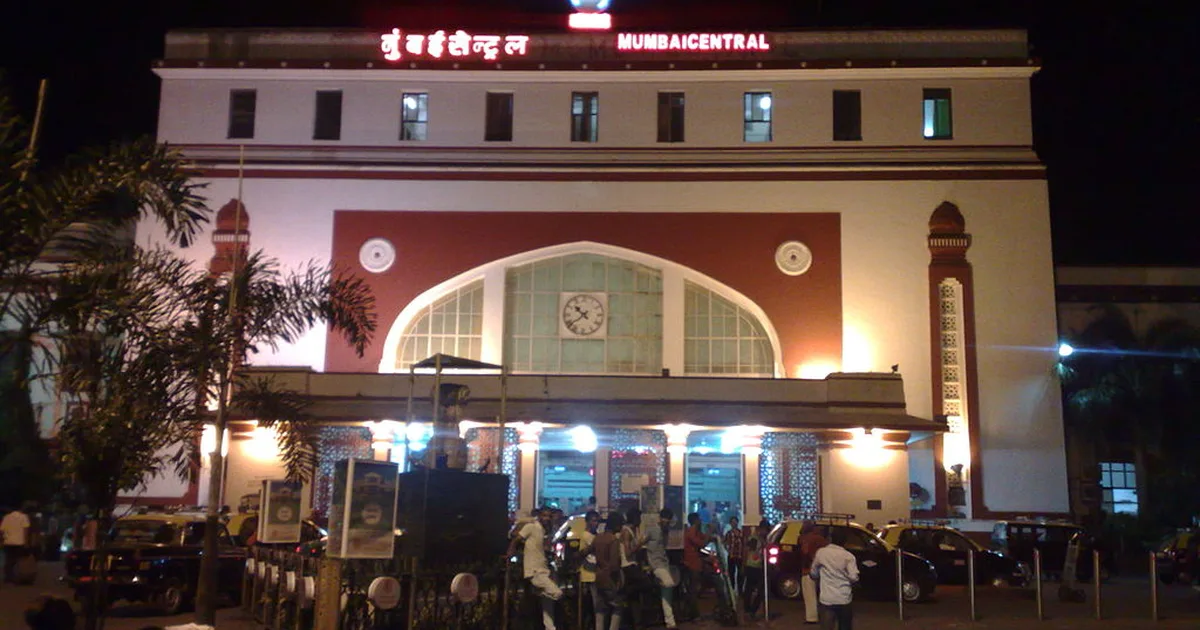
Trains from New Delhi primarily arrive at Mumbai Central (BCT) or Chhatrapati Shivaji Maharaj Terminus (CSMT), depending on the specific train. The Rajdhani Express terminates at Mumbai Central, which is on the Western Railway line and well-connected to the Mumbai Metro and suburban rail network.
Frequently Asked Questions
What is the most popular train from Delhi to Mumbai?
The Rajdhani Express (12951/12952 Mumbai Rajdhani) is the most popular and fastest. The August Kranti Rajdhani and the Golden Temple Mail are other popular choices. Rajdhani covers the route in about 16-17 hours.
How long does Delhi to Mumbai train journey take?
Rajdhani Express: 16-17 hours. Punjab Mail: 20-22 hours. Slower express trains: 22-25 hours. Distance is approximately 1,386 km by rail.
What classes are available on Delhi-Mumbai Rajdhani?
Rajdhani Express has 1AC, 2AC, and 3AC classes only — no sleeper or chair car. Meals are included in the ticket fare for all Rajdhani passengers.
Is food included in Delhi-Mumbai Rajdhani ticket?
Yes. Rajdhani Express fare includes all meals during the journey: dinner, morning tea, breakfast, and lunch depending on direction of travel. A standard IRCTC-catered menu is provided.
How many trains run daily from Delhi to Mumbai?
Approximately 8-10 direct trains run daily between Delhi and Mumbai, departing from New Delhi, Hazrat Nizamuddin, or Delhi stations. Rajdhani, August Kranti, Golden Temple Mail, and Karnataka Express are major services.
What is the rail distance from Delhi to Mumbai?
The rail distance from New Delhi to Mumbai Central is approximately 1,384 km. The Rajdhani route via Vadodara is slightly different from the Central Railway route via Itarsi.
Can I take a train from Delhi to Mumbai with confirmed berth same day?
Only via Tatkal booking, which opens at 10 AM one day before departure. Alternatively check Current Booking (opens 4 hours before departure) for last-minute confirmed berths.